The alloy
Bell metal, not brass
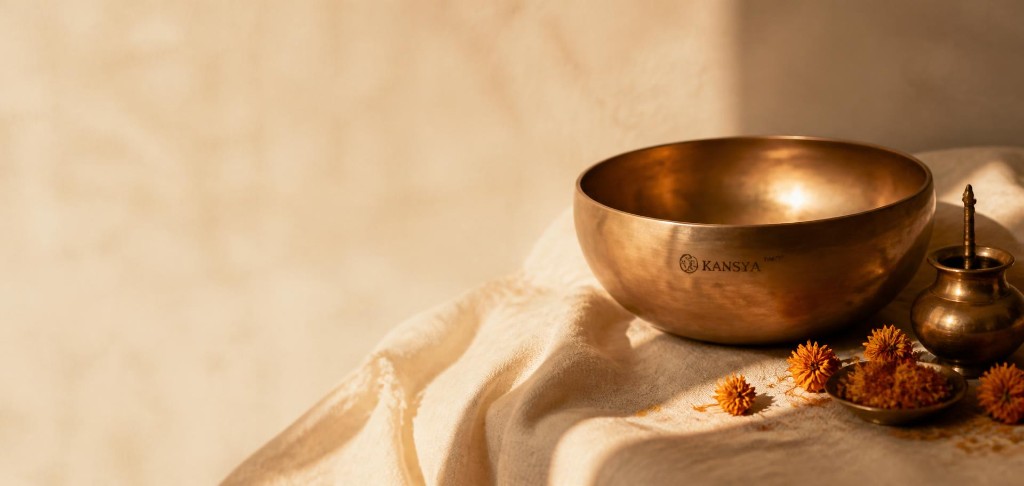
Authentic Kansya is copper and tin — the same family as temple bells. Brass (copper and zinc) looks similar and does not oxidise the same way, so it will not grey on the skin.
Crafted with tradition
Crafted with tradition
Kansya Veda by Jinpri
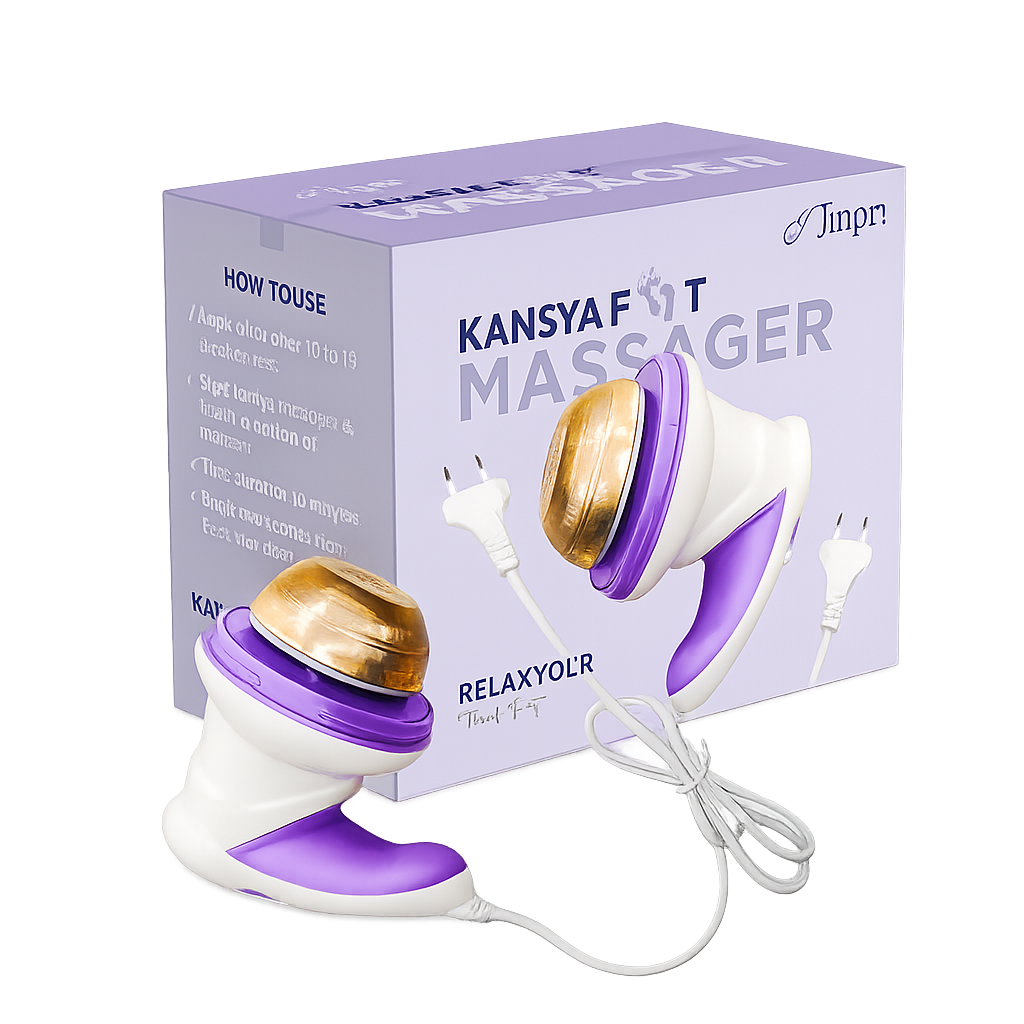
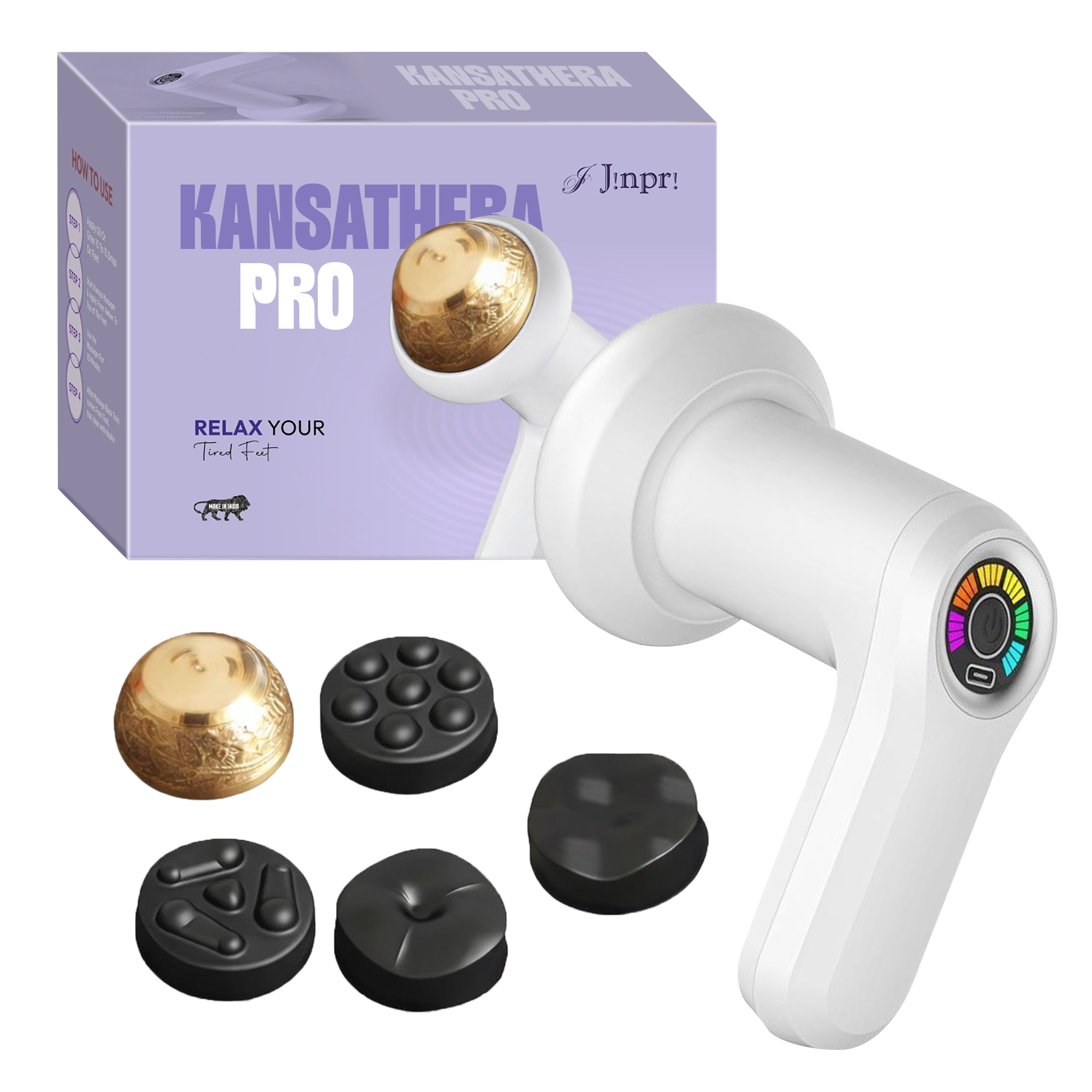
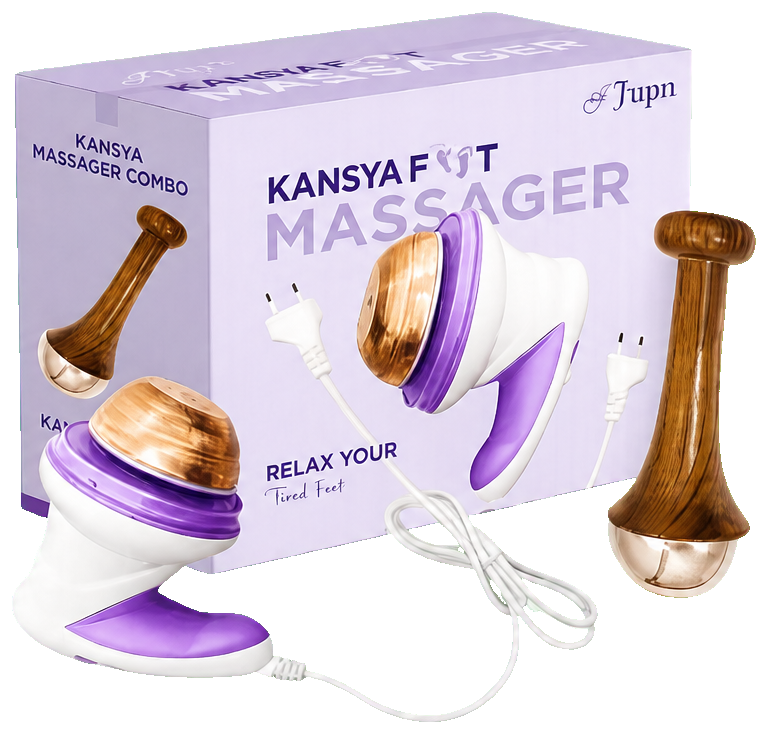
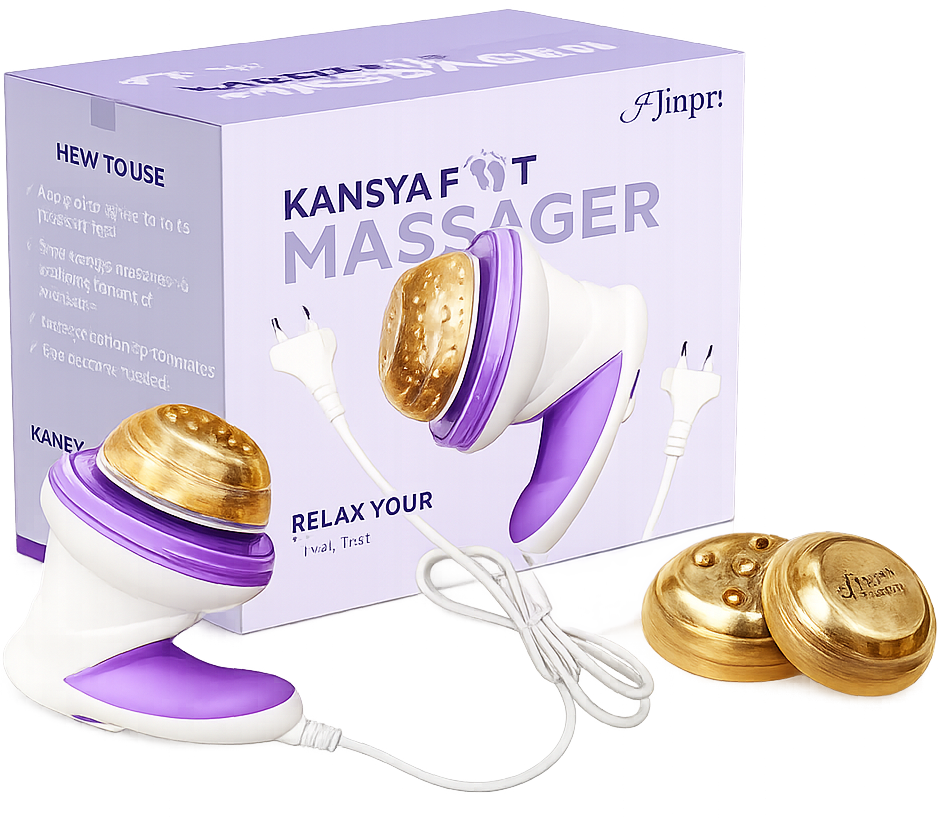
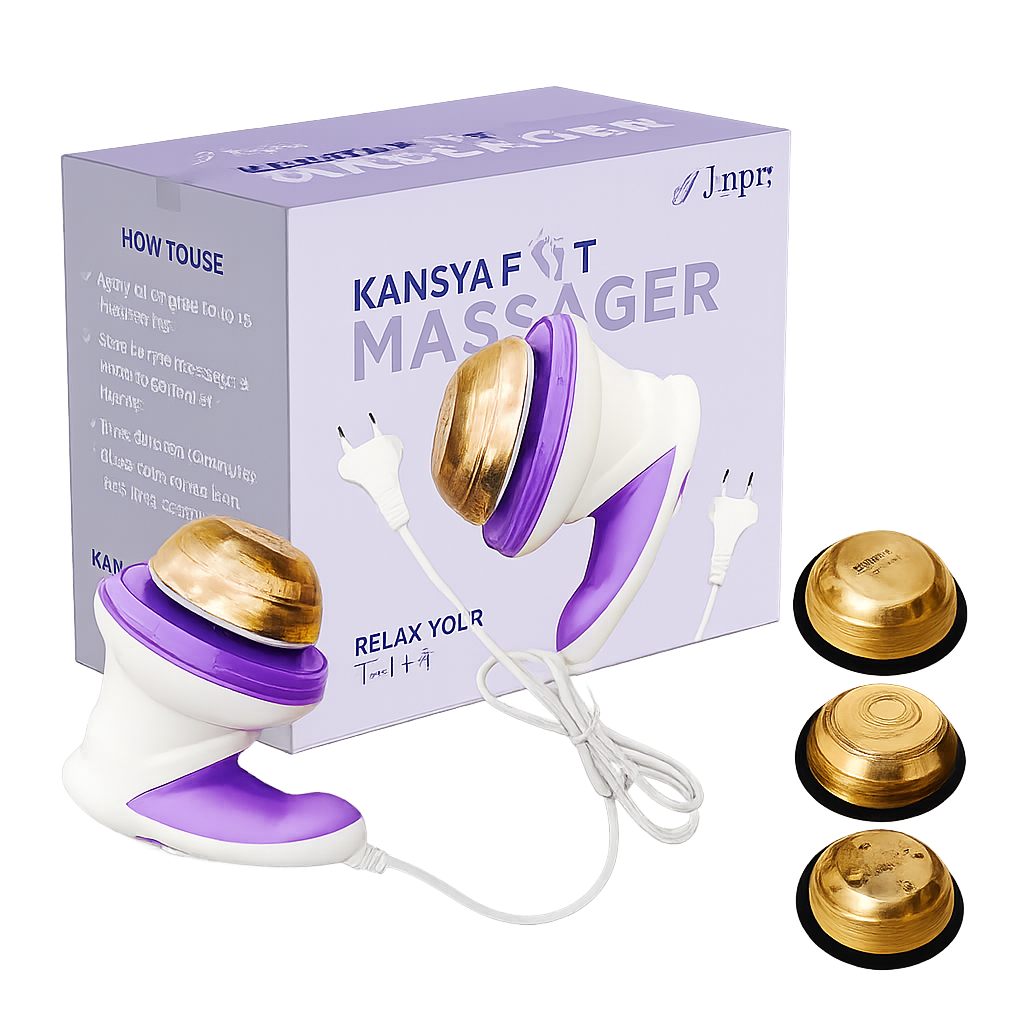
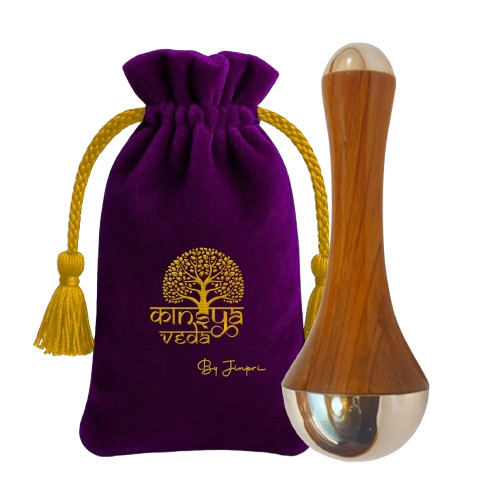
Kansya Veda — also written Kansyaveda, and often searched as Kanysaveda — is Jinpri’s line of kansya bronze massagers. Kansya (kansa) is copper–tin bell metal for foot ritual. Shop electric vatki, wooden kansya, and recovery tools made for home use in India.
What is Kansya5,000+
Years of kansa in Indian ritual metalwork — bowls, bells, and foot vessels.
Grey film
The only massager that shows its work: copper meeting the acids on your skin.
Jinpri
Electric bronze heads, wooden kansya, and EMS recovery — one house, two tempos.
Made in India
Hand-cast bronze and wooden kansya, finished and packed in our own workshop.
What only Kansya does
The alloy
Authentic Kansya is copper and tin — the same family as temple bells. Brass (copper and zinc) looks similar and does not oxidise the same way, so it will not grey on the skin.
The proof
After oil and heat, a sooty film forms. Practitioners read it as acidity leaving the tissue. Wipe it off after each sitting; it is meant to return the next time you massage.
The map
Ayurveda treats the soles as a map of the body. Circular vatki work is a form of padabhyanga — foot ritual — used to settle Vata and invite sleep.
The sitting
Warm sesame oil or ghee into the soles, then work the vatki in slow circles for about ten minutes a foot. If the bronze stays bright, the sitting was too short — or the metal is not Kansya.
Padabhyanga
Ten minutes. Warm oil. One vatki. If the metal stays bright, it is not Kansya — or the sitting was too short.
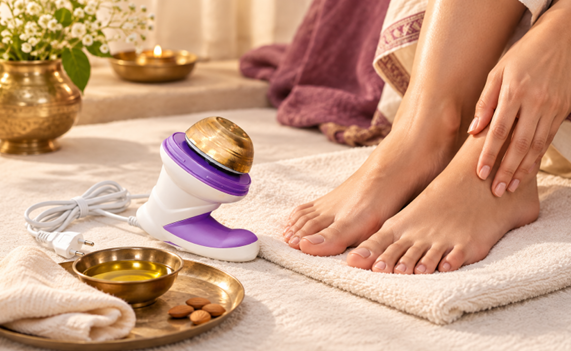
Oil the soles
Anoint
Why this house
Kansya Veda is built for the quiet work of the soles — kansa metal, warm oil, and the grey tint that proves the sitting was real.
Kansya Veda
Bronze ritual
Ordinary massager
Recovery gadget
Alloy
Hand-cast copper–tin kansya — the temple-bell metal of Ayurveda
Alloy — ordinary
Steel housings, plastic heads, or plated zinc
Signature
The grey film — a living mark of oil, heat, and metal on skin
Signature — ordinary
No oxidation. No trace of the sitting
Ritual
Warm oil, slow vatki circles, ten quiet minutes
Ritual — ordinary
Hard percussion. No oil. No stillness
Lineage
Padabhyanga — foot ritual drawn from classical Ayurveda
Lineage — ordinary
Gym recovery hardware, made for speed
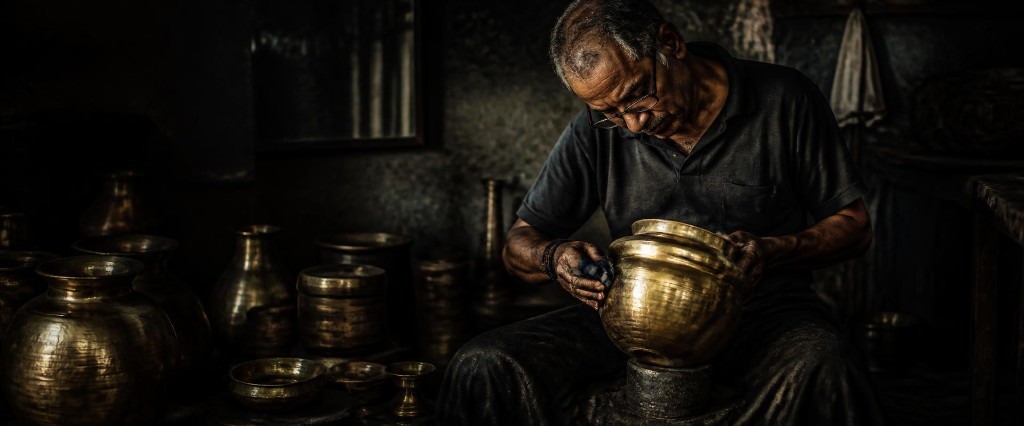
The Makers
Each vessel is poured in a family foundry, hammered on an anvil and polished across three days until the bronze holds light like still water. No two pieces are identical — the mark of a hand, not a machine.
72h
Polishing
100%
Pure alloy
3rd
Generation
Collection
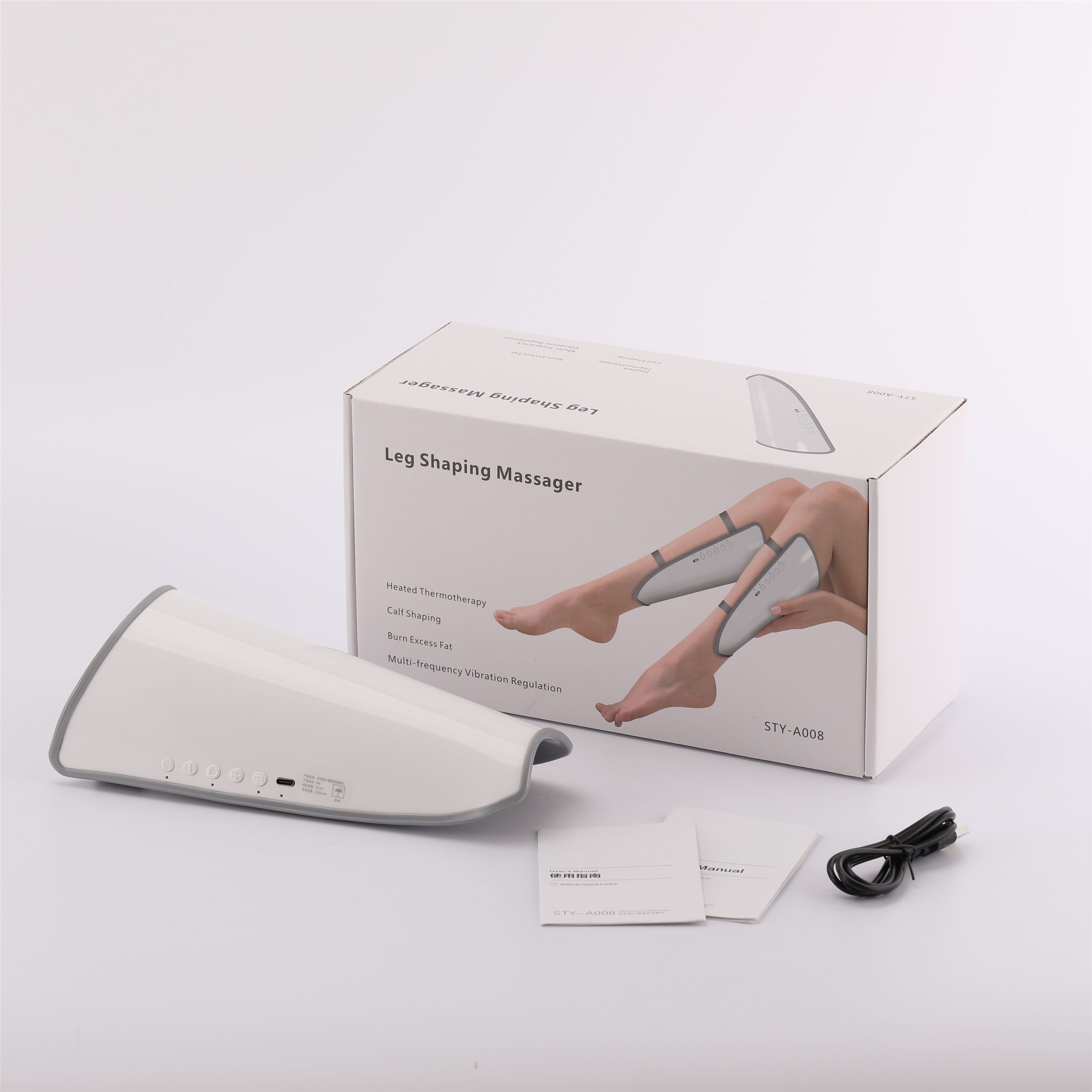
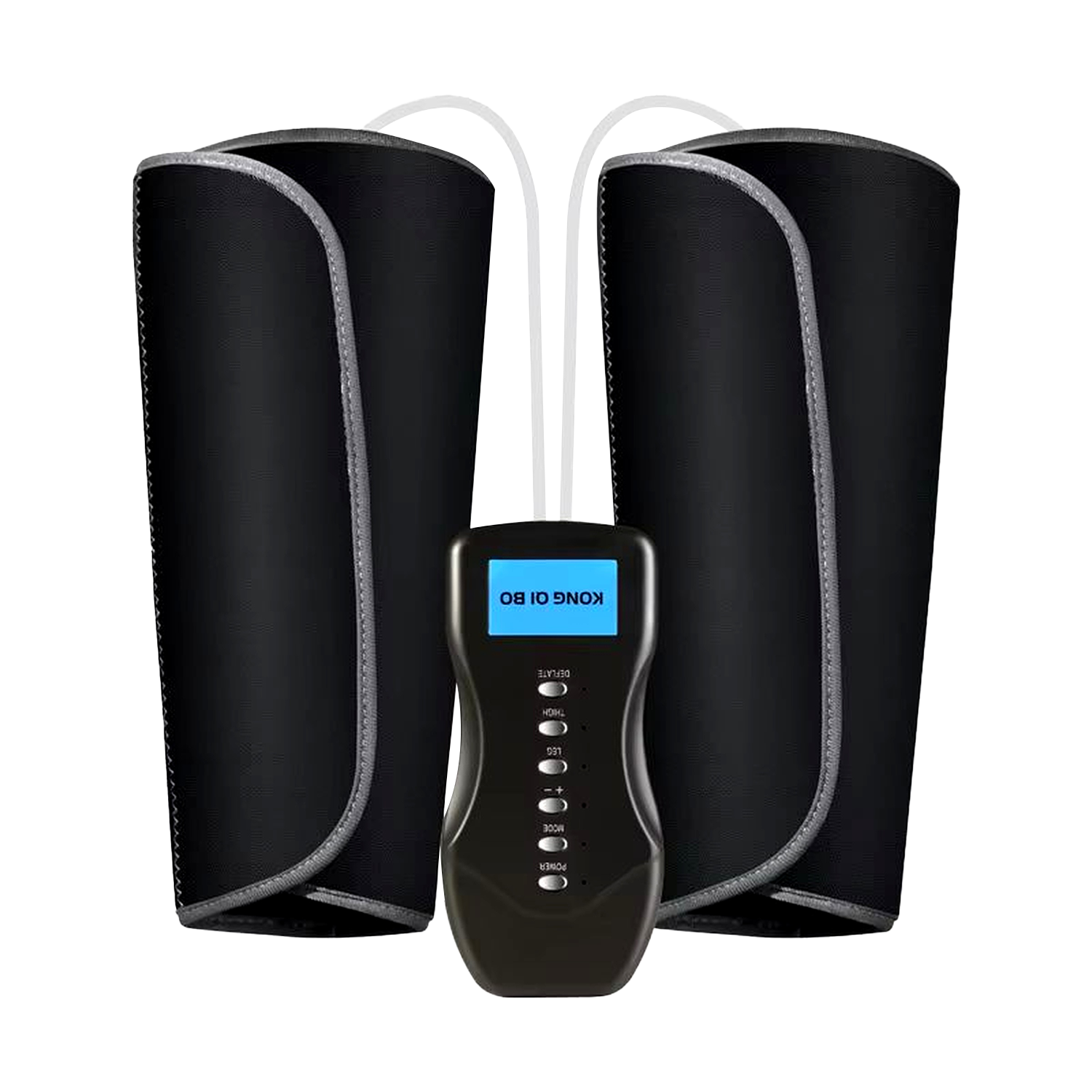
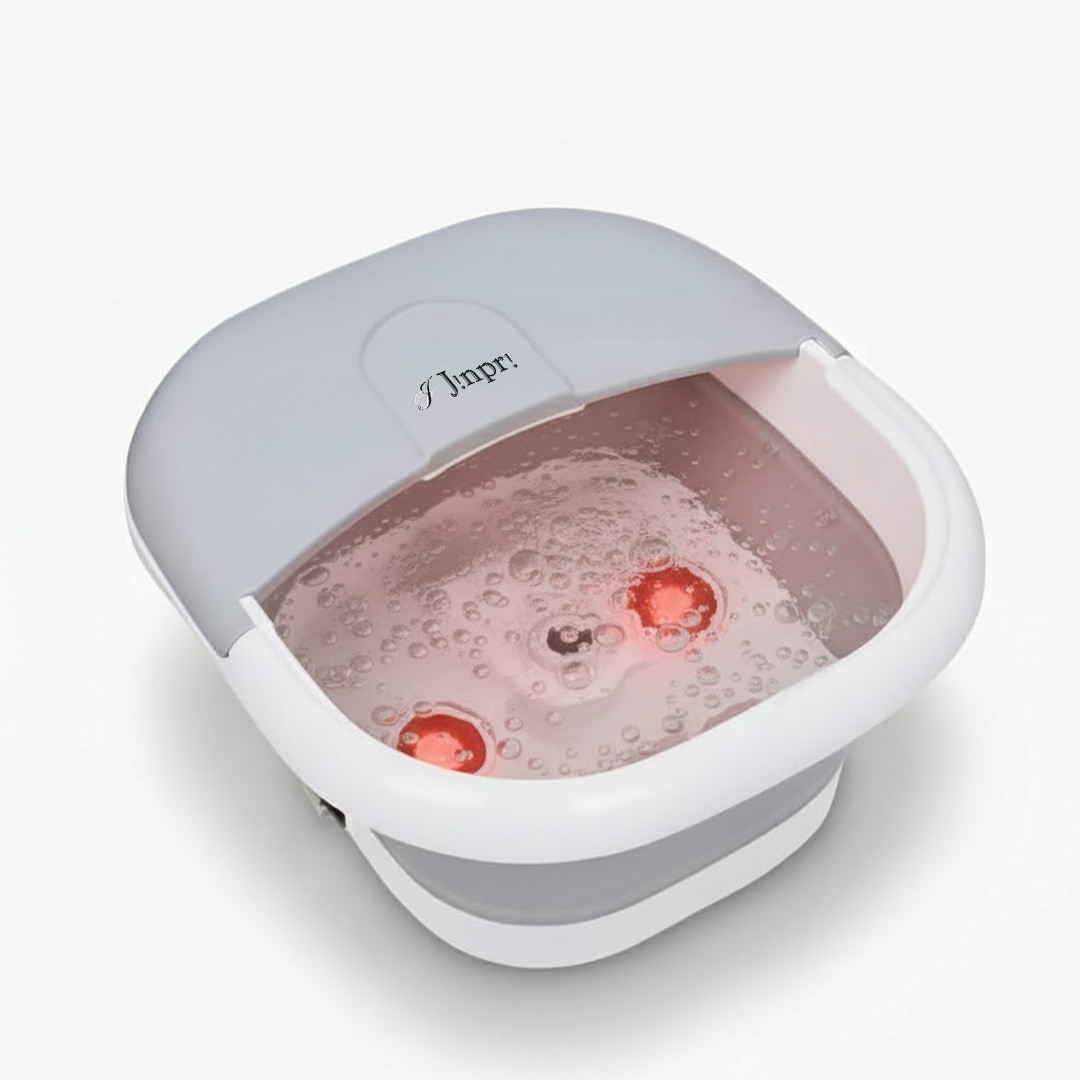
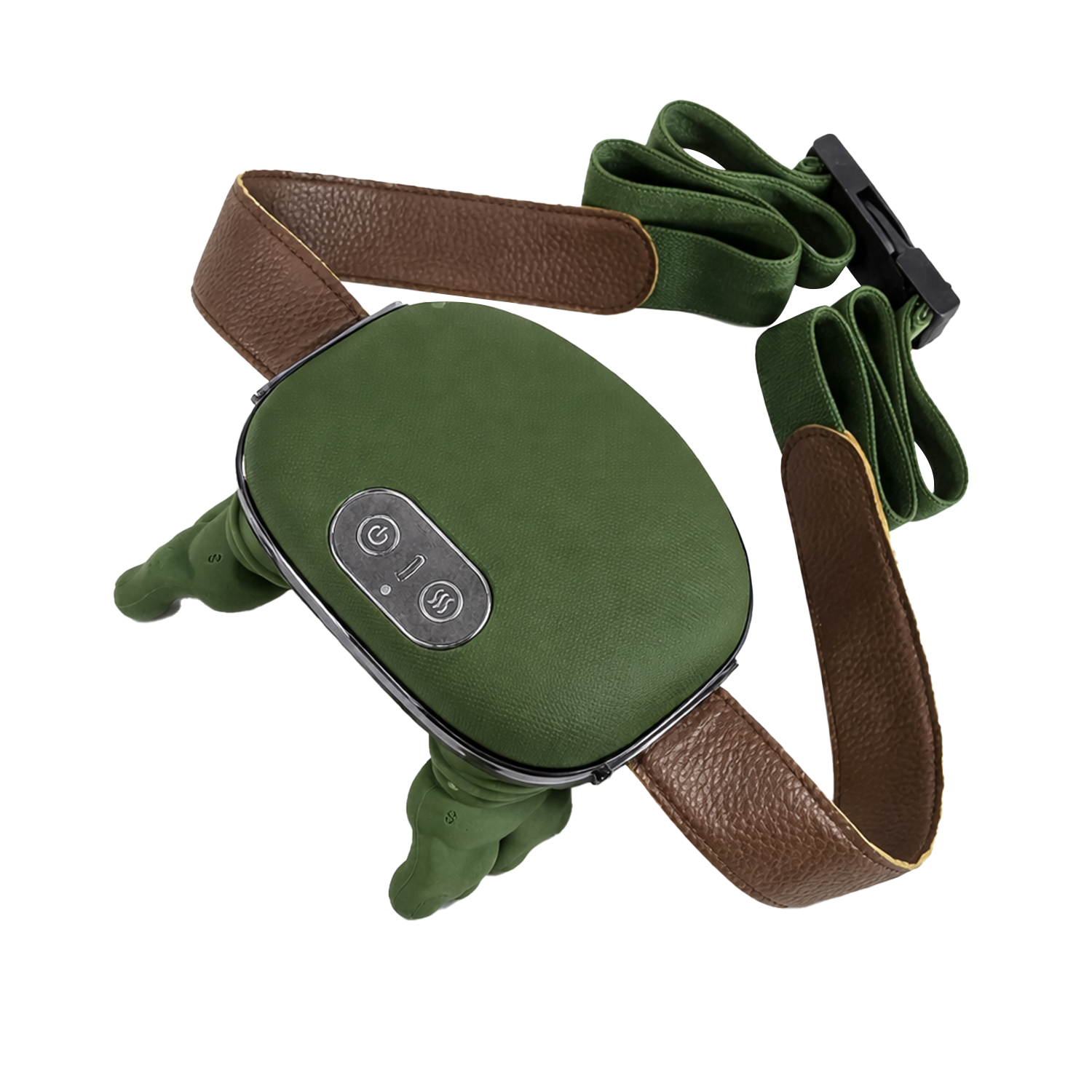
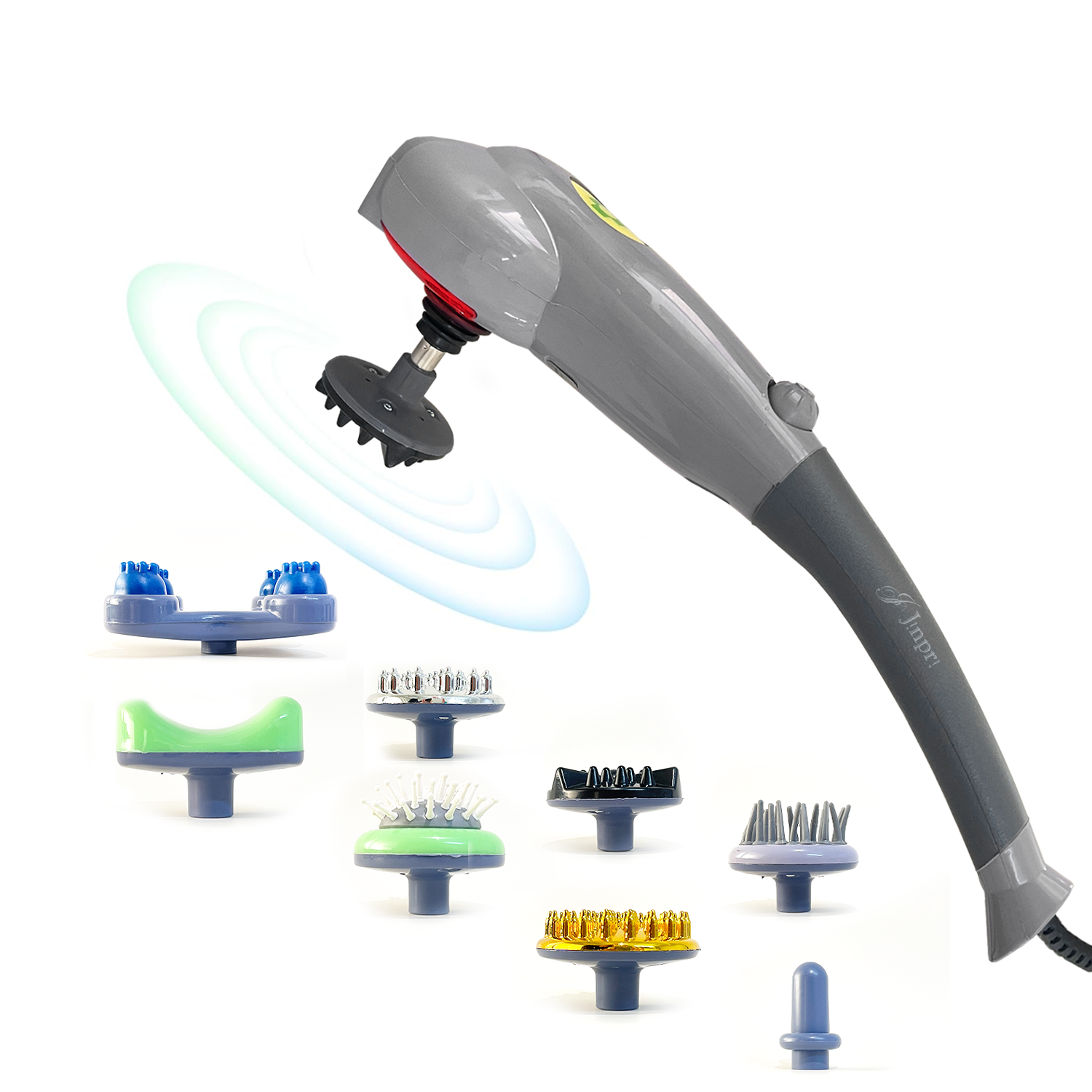
Electric bronze vatki, wooden kansya for the face and body, then EMS calf and shoulder tools when the ritual needs a second language.
Heritage
Honouring five thousand years of Ayurvedic craft, one bronze vessel at a time.
Kansya Veda is Jinpri’s ritual line: the vatki still oxidises, the wood is still carved, and the motors exist only to keep the bronze turning when your wrists should rest.
Questions
Straight answers about Kansya metal, Kansya Veda (Kansyaveda / Kanysaveda), and which massager fits a foot ritual.
Kansya, also spelled Kansa, is a copper-and-tin bell metal used in Indian temple craft and Ayurvedic massage. A kansya massager has a bronze vatki head. After warm oil and slow circles on the skin, a grey film often forms as the copper meets acids on the skin. Brass is a different alloy and does not behave the same way.
Kansya Veda is the massager brand from Jinpri, based in Ahmedabad, India. People also write it as Kansyaveda, Kansa Veda, or the misspelling Kanysaveda. The line includes electric kansya vatki foot massagers, wooden kansya tools, and calf, foot, and body recovery devices. Shop them on this website.
Yes. Kansya Veda, Kansyaveda, KansyaVeda, Kansa Veda, and the common typo Kanysaveda all refer to this Jinpri website. Kansya and Kansa are two spellings of the same metal.
For padabhyanga, the traditional foot ritual, the tool is a kansya bronze vatki used with warm oil in slow circles — not a hard percussion gun. Kansya Veda electric vatki massagers keep that bronze head turning when the wrists need a rest. Wooden kansya tools suit face and body work. Calf and shoulder devices are the better massager when the goal is muscle recovery rather than the oil ritual.
A Kansya (kansa) massager uses a copper–tin bell-metal vatki head for Ayurvedic foot and body ritual. Warm oil, slow circular massage for about ten minutes, and a grey film often appears on the metal as copper reacts with acids on the skin.
The grey-black film is oxidation from copper meeting acids on the skin after oil and heat. Practitioners treat it as a visible cue of the sitting. Rinse and dry the vatki after each use; the film is expected to return on later sessions.
No. Authentic Kansya is copper and tin (temple-bell alloy). Brass is copper and zinc. Brass can look similar but does not oxidise the same way and will not produce the classic grey ritual cue.
Anoint the soles with 10–15 drops of warm sesame oil or ghee, place the vatki on the foot, and move in firm slow circles for about ten minutes per foot. Cleanse the metal with warm water and dry immediately.
Kansya Veda is the ritual and recovery line from Jinpri — electric bronze vatki massagers, wooden kansya tools, and modern EMS recovery devices sold in India with support via WhatsApp and email.
Shop the full collection on this website, message WhatsApp at +91 6352377447, or buy selected Jinpri Kansya products on Amazon India and Flipkart where product links are listed.